
By Emma Martinez, Mesa
Heightened Global Turmoil at UN General Assembly
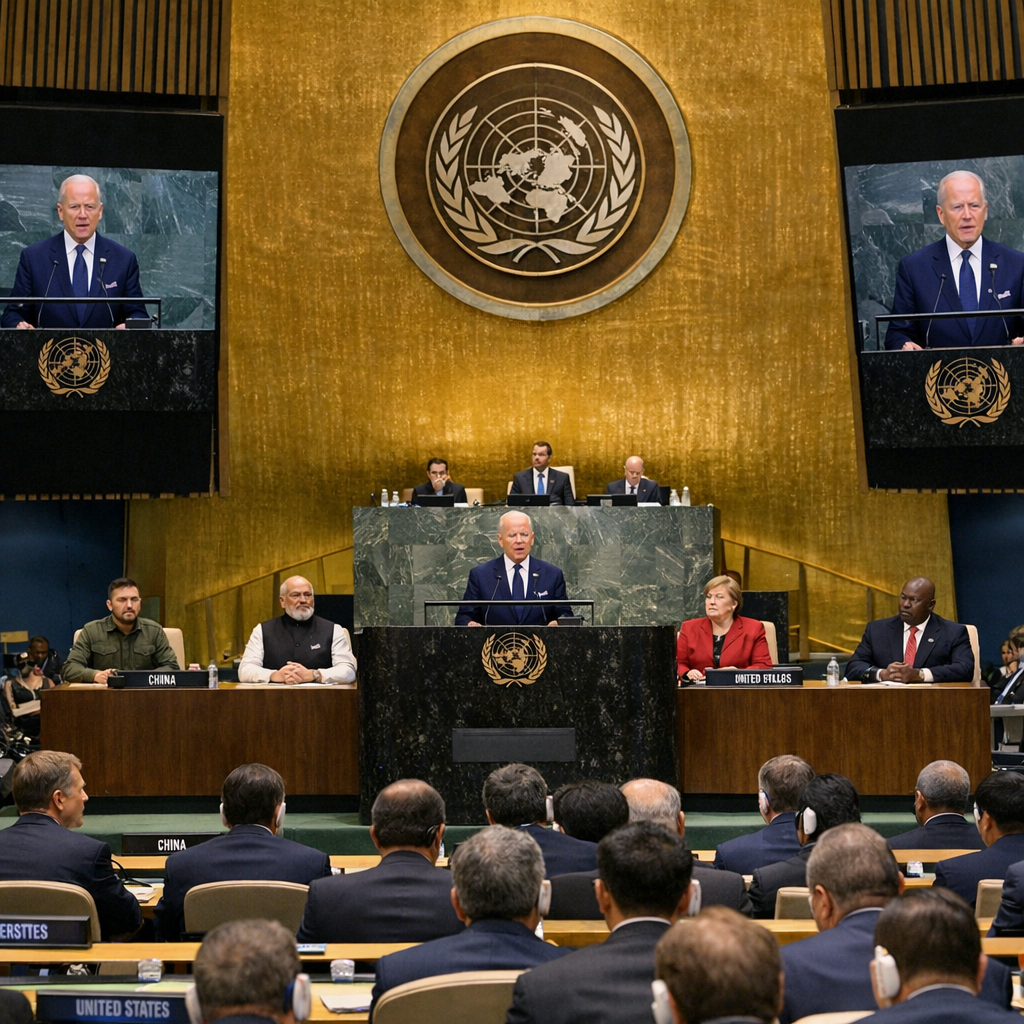
At the latest United Nations General Assembly meeting, sweeping global challenges have taken center stage—ongoing wars in the Middle East and Ukraine, rising inequality, and the rapid development of artificial intelligence. UN Secretary-General Antonio Guterres emphasized that the world cannot afford fragmented responses and voiced call for a future rooted in mutual dependence among nations.
New conflicts continue to reshape diplomatic priorities. Tensions between the United States and Iran remain unresolved despite recent peace negotiations. The wars between Israel and Hamas, and between Israel and Hezbollah, have escalated instability in the Middle East. Meanwhile, Russia and Ukraine show little sign of agreement despite international efforts. These crises are straining global institutions and fueling humanitarian concerns.
Immunization Agenda 2030: Progress and Persistent Gaps
In health news, the Immunization Agenda 2030 (IA2030) remains a key global commitment. Member states affirmed the urgent need to strengthen vaccine equity, especially for children who have received no vaccines (“zero-dose children”). Routine vaccination coverage, which declined during the COVID-19 pandemic, is being restored in many low- and lower-middle-income countries, though coverage gaps still threaten progress.
The Big Catch-Up initiative—launched during World Immunization Week—delivered over 100 million vaccine doses to nearly 20 million children across dozens of countries. Efforts included outreach to those who missed routine immunizations and targeted support for communities hardest hit. Still, experts warn that unless investment in health systems, regional vaccine manufacturing, and public trust is sustained, gains may weaken. Steps forward include policies to ensure equitable vaccine financing and transparency in delivering immunization budgets.
What Can Mesa and Readers Do?
Though distant, these global events matter locally. Strong vaccine equity creates barriers against outbreaks that could reach any border. Conflict-driven instability elsewhere often impacts global trade, refugee flows, and climate policy, which in turn affect our supply chains, prices, and national security.
Readers can cultivate a global perspective—stay informed from reliable international sources, support advocacy for health equity, and recognize how multilateral diplomacy shapes a safer, more stable world. At times when global cooperation feels fraught, the choices of our leaders and citizens still offer paths toward shared solutions.