

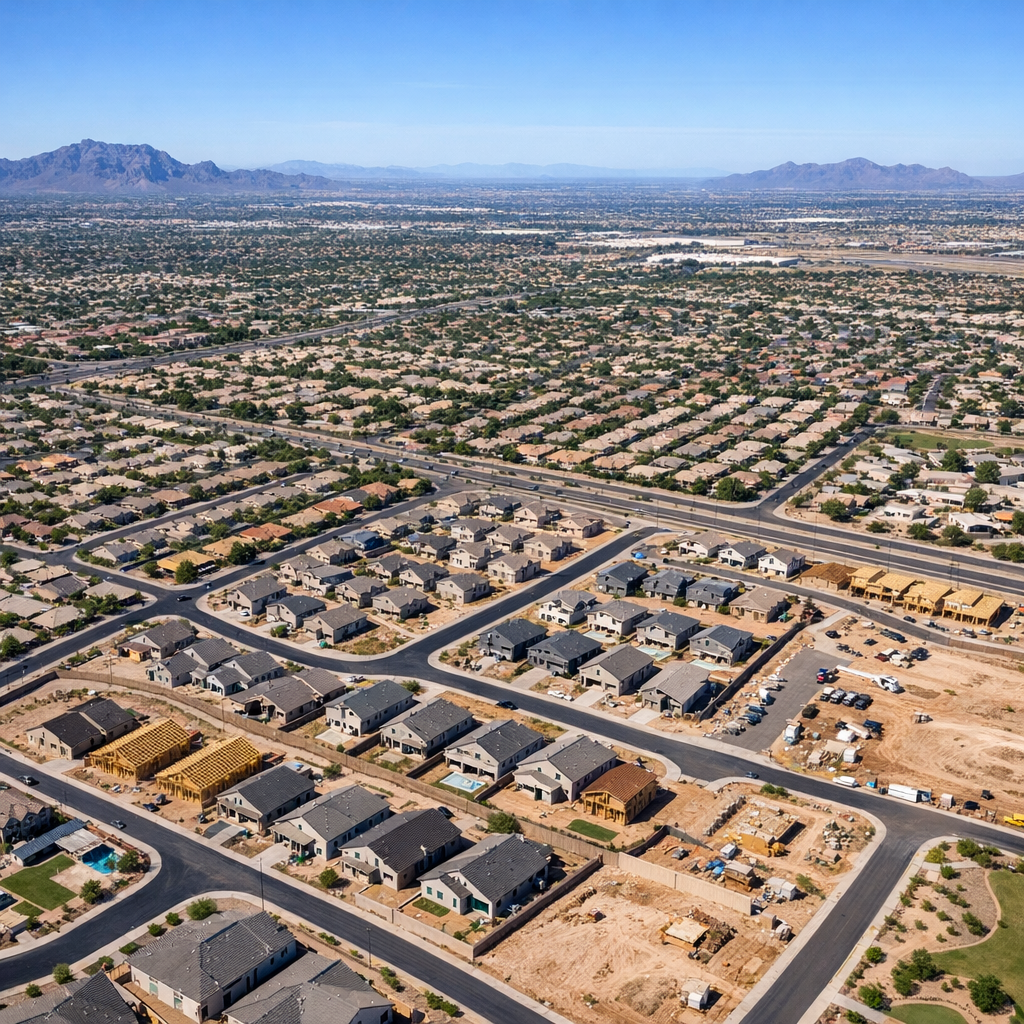
Mesa, Arizona, continues to be a focal point in the state’s real estate landscape, offering a blend of suburban charm and urban amenities. Understanding the current housing market trends, rental dynamics, and ongoing developments is essential for residents and potential homebuyers.
Current Housing Market Trends
As of mid-2026, Mesa’s housing market exhibits a mix of stability and subtle shifts. The average home value stands at approximately $434,616, reflecting a slight decrease of 1.4% over the past year. Homes typically go pending in around 29 days, indicating a steady demand. The median sale price is $430,333, with a median list price of $455,967, suggesting that sellers are adjusting expectations to align with market realities. Notably, 15.6% of sales have been closing above the list price, highlighting competitive segments within the market.
Rental Market Dynamics
The rental sector in Mesa offers affordability compared to national averages. The average rent is $1,549, which is below the national average of $1,965. This slight decrease of 0.3% year-over-year provides renters with more negotiating power. With approximately 2,600 rental listings available, the market presents a variety of options for prospective tenants.
New Developments and Community Growth
Mesa’s commitment to community enrichment is evident through several new developments. The expansion of Mekong Plaza has added 32,000 square feet of retail and dining space, enhancing the city’s vibrant Asian District. Additionally, the construction of the 28,000-square-foot Gateway Library in the Eastmark community addresses the needs of the growing southeastern population, offering modern amenities and collaborative spaces.
In the realm of housing innovation, California-based Connect Homes is establishing a 150,000-square-foot production facility in Mesa. This initiative aims to produce modular homes efficiently, addressing housing shortages and providing diverse options for residents.
Conclusion
Mesa’s housing market is characterized by slight price adjustments, a stable rental environment, and proactive community developments. Whether you’re considering buying, renting, or investing, staying informed about these trends will aid in making well-rounded decisions in this dynamic market.